Today is
September 13, 2026
Sunday
Today and tomorrow are not public holidays in India. Next up: Gandhi Jayanti in 20 days.

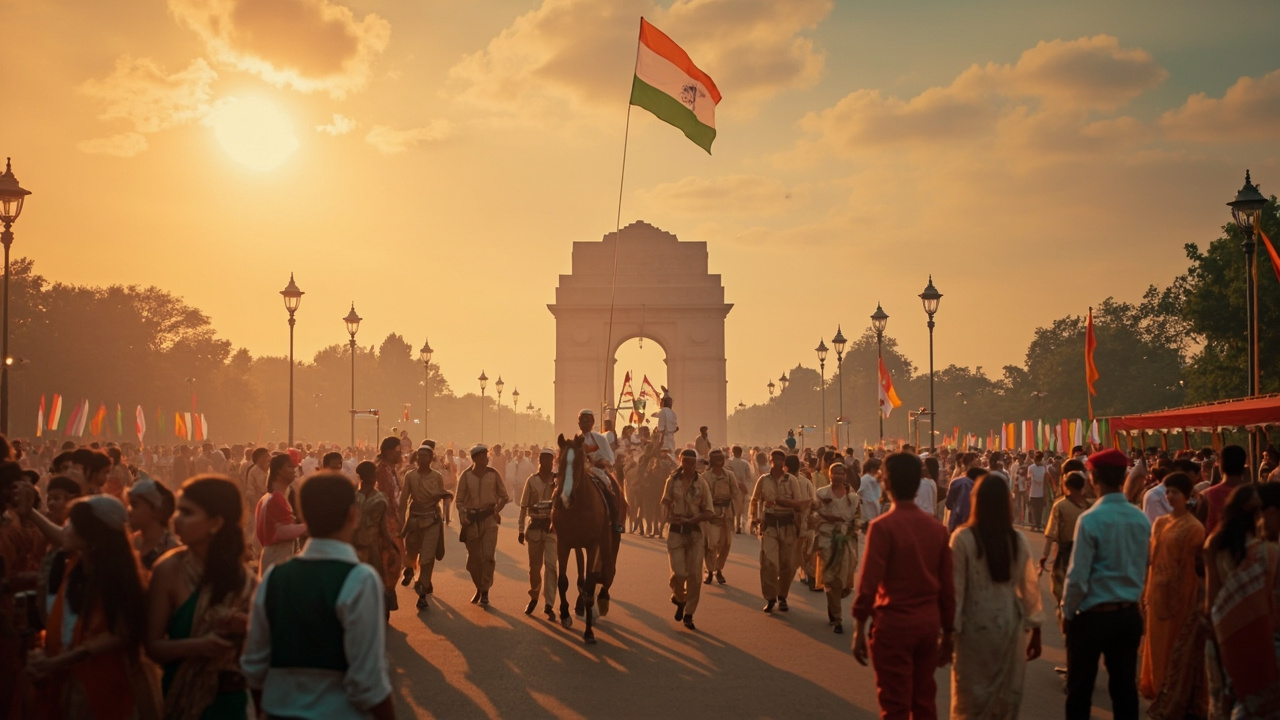




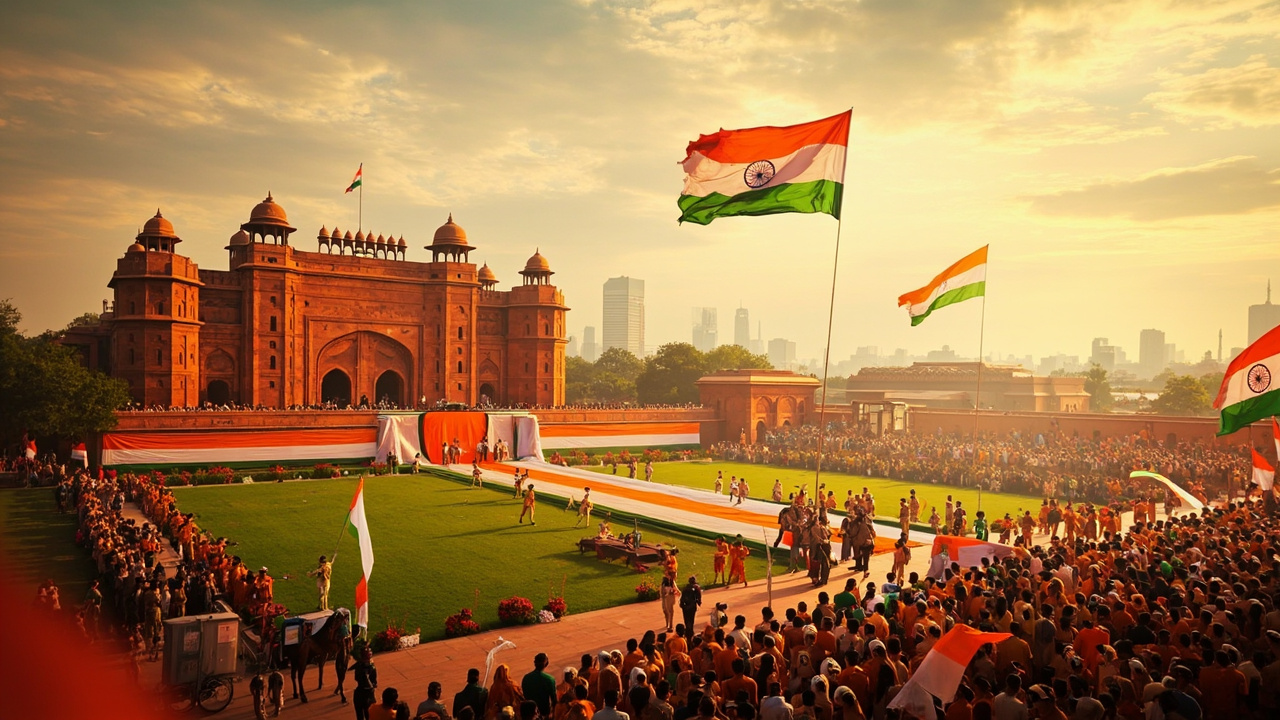


India has one of the world's most diverse holiday calendars, with gazetted national holidays, restricted holidays, and state-specific observances. Major fixed-date holidays include Republic Day, Independence Day, and Gandhi Jayanti. Many religious festivals follow the Hindu lunar or Islamic lunar calendar, so their Gregorian dates shift annually.
The calendar works on three tiers, and the difference matters for planning. Gazetted (national) holidays are the official public holidays published by the Ministry of Home Affairs: central and state government offices, banks, post offices, and most schools close, and private employers generally follow suit. Restricted holidays are a longer optional list from which employees and institutions typically choose a small number, letting individuals observe faith-specific days such as Janmashtami or Guru Nanak Jayanti. On top of both tiers, every state adds its own regional holidays, so the working calendar in Mumbai can differ from the one in Chennai.
Comparing gazetted vs restricted holidays in practice: the gazetted list above is what banks and government services follow, while restricted holidays depend on personal or institutional choice. Only three dates are national holidays by law across every state and union territory — Republic Day on 26 January, Independence Day on 15 August, and Gandhi Jayanti on 2 October — and all three are fixed to the same Gregorian date every year, making them the easiest to plan around.
Festival dates move for astronomical reasons, not administrative ones. Diwali, Holi, Maha Shivaratri, Raksha Bandhan, and Janmashtami follow the Hindu luni-solar calendar, so their Gregorian dates shift each year. Islamic observances such as Eid al-Fitr follow the Hijri lunar calendar and drift about 10–11 days earlier each year, with final dates confirmed by local moon sightings. By contrast, Makar Sankranti is tied to the sun's transit into Capricorn and stays around 14 January, and Good Friday is computed from the movable Easter date. This mix of lunar, solar, and fixed civil dates is why checking a verified yearly calendar like the one above beats relying on last year's dates.
For practical planning, most Indian workers combine public holidays with weekends to build long breaks, and bridge days around festivals are common. Each festival on this page has its own guide with dates, history, and traditions, and the working-days calculator linked below can count business days between any two dates while excluding these holidays.
The calendar above lists 14 gazetted public holidays for India in 2026, running from Makar Sankranti / Pongal in January through Diwali (Deepavali) in November to Christmas Day in December. Regional and restricted holidays add further observances on top of these national dates.
The three national holidays observed in every Indian state and union territory are Republic Day (26 January), Independence Day (15 August), and Gandhi Jayanti (2 October). Unlike lunar festivals, all three are fixed by law to the same Gregorian date every year.
Gazetted holidays are the official public holidays published by the government — banks, post offices, and central and state government offices close, and the full list is shown in the calendar above. Restricted holidays are a longer optional list from which employees pick a few personal observances, such as Janmashtami or Guru Nanak Jayanti, so whether you get the day off depends on your employer or school.
Because they follow lunar calendars. Diwali (Deepavali), Holi, and Maha Shivaratri are set by the Hindu luni-solar calendar, while Eid al-Fitr follows the Islamic Hijri calendar and drifts about 10–11 days earlier each Gregorian year. By contrast, Makar Sankranti / Pongal is solar and stays around 14 January every year.
No. Beyond the three national holidays — Republic Day, Independence Day, and Gandhi Jayanti — each state adds its own regional holidays for harvest festivals, local new years, and community observances, so the exact day off can differ between, say, Tamil Nadu and Punjab. Always check the list that applies to your state, then use the dates above for nationwide planning.